
Improving Reliability and Efficiency Through Smarter Controls
As treatment facilities age, one area often overlooked for modernization is the control system—the brain behind how pumps, valves, and chemical feed systems work together. Many older plants still depend on mechanical switches and relays that wear out, require frequent maintenance, and offer limited flexibility.
Upgrading to Programmable Logic Controllers (PLCs) transforms how plants operate. PLCs bring automation, reliability, and insight to systems once driven by antiquated technology. The result? A more efficient plant that responds quickly to changing conditions and provides operators with real-time data to make smarter decisions.
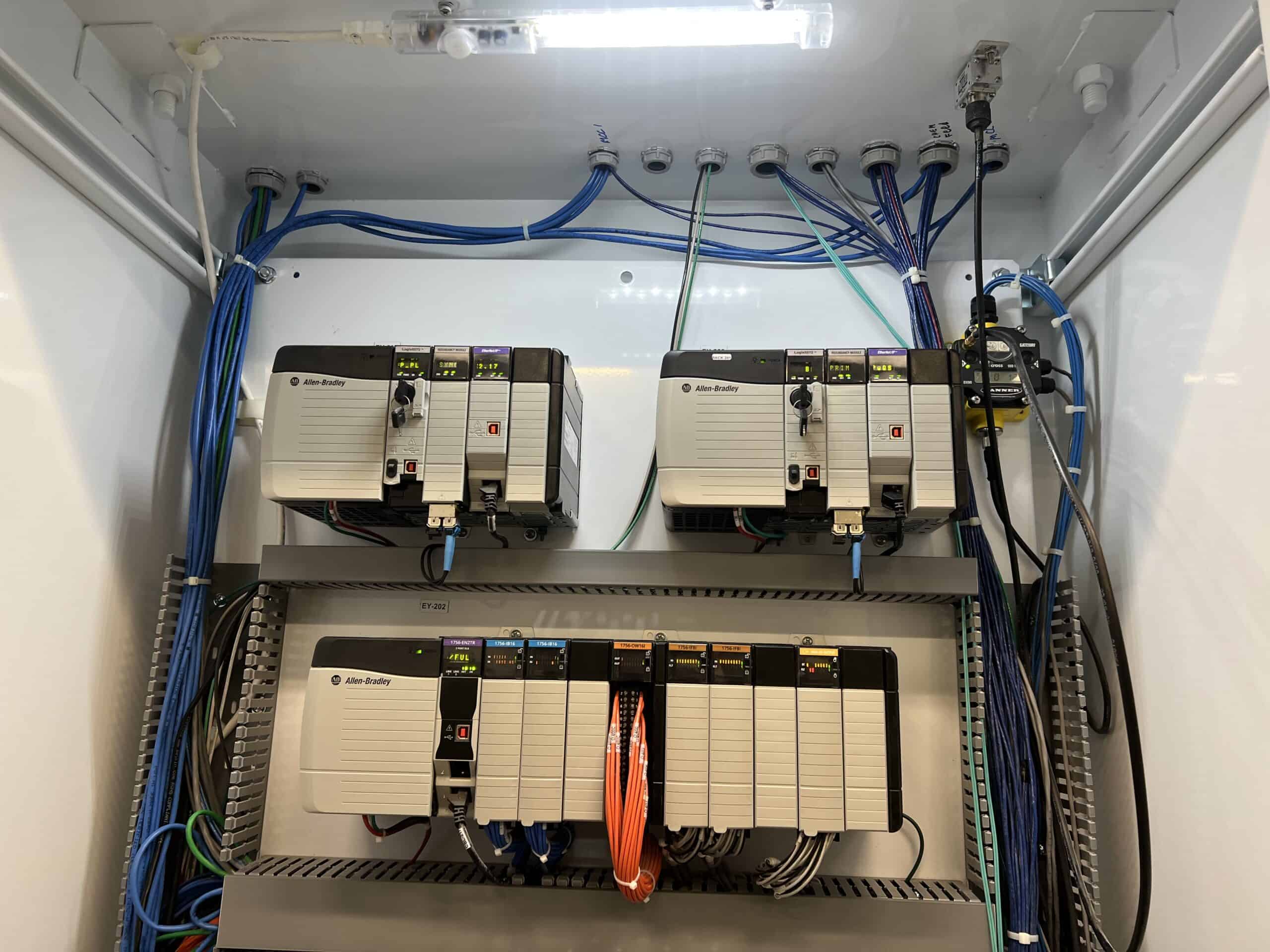
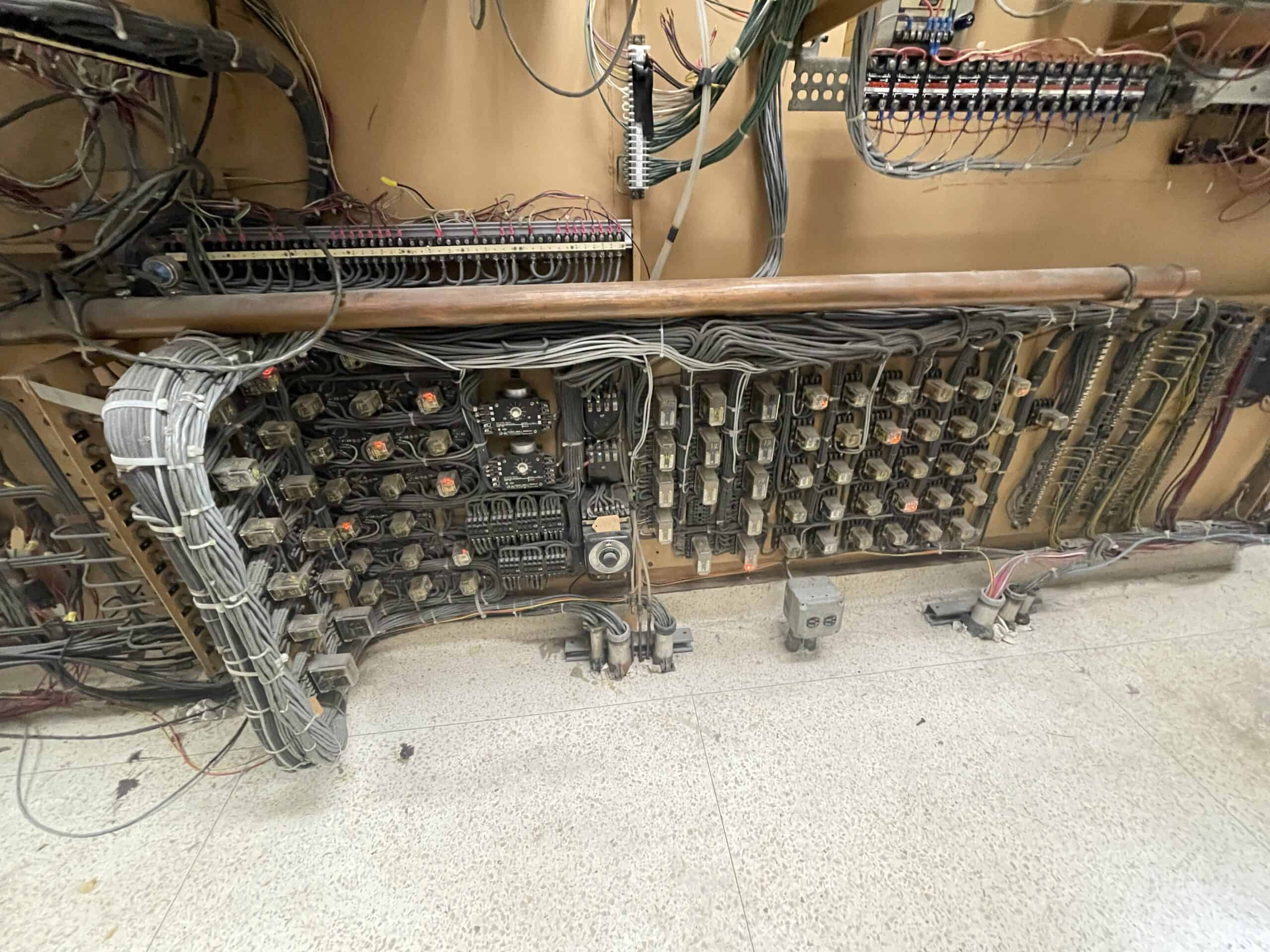
From Switches to Smart Systems
Traditional relay-based controls require physical wiring for every process function, making even small changes time-consuming and costly. PLCs replace that mechanical relay “logic” with software-based logic, allowing Integrators to adjust sequences, automate tasks, and implement new strategies without major rewiring. Just a couple lines of PLC code can make an operator’s job easier!
These smart systems can monitor hundreds of signals at once, such as flow rates, tank levels, pressure sensors, while optimizing performance across the plant.
Reliability That Doesn’t Quit
Treatment facilities need dependable operation 24/7. PLCs are built for reliability. With redundant processors, automatic failover features, and integration capabilities with Supervisory Control and Data Acquisition (SCADA) systems, operators can be confident that the plant is running properly. When PLCs are integrated into SCADA, operators can view live system data, receive alerts, and perform predictive maintenance to prevent downtime before it happens.
Advancing Treatment Through Automation
Modern treatment relies on precise, automated control. PLCs manage aeration, chemical dosing, and sludge handling based on sensor feedback, improving consistency, reducing energy costs, and maintaining compliance.
Ready for the Future
Whether upgrading a single process or modernizing an entire facility, PLC-based systems offer scalability, reliability, and performance for years to come. For more information on how PLC upgrades can enhance your facility, contact Randy Olson at rolson@goconcentric.com.